

The agreement has drawn strong criticism from Israel. Israeli Finance Minister Bezalel Smotrich described the deal as "bad for Israel and the entire free world." He argued that recent efforts to weaken Iran had produced significant strategic gains and stressed that Israel must continue taking measures to ensure that Tehran never acquires nuclear weapons. Smotrich also reaffirmed Israel's intention to maintain a hard-line security posture in Lebanon despite the diplomatic developments.
According to reports from the Associated Press, the peace agreement was mediated by Pakistan, with both Washington and Tehran confirming their participation. An official signing ceremony is expected to take place in Switzerland on June 19, marking a significant step toward reducing hostilities between the two nations.
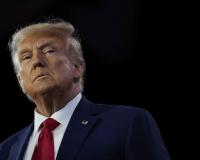
US President Donald Trump announced that the agreement had been finalized and declared the removal of the US naval blockade. He further authorized the reopening of the Strait of Hormuz for global shipping, a move expected to restore unrestricted international maritime traffic through one of the world's most strategically important waterways.
Trump stated that the reopening of the Strait of Hormuz would allow international shipping operations to resume normally, enabling the uninterrupted movement of global energy supplies and commercial cargo through the critical maritime route.
Iran's Deputy Foreign Minister Kazem Gharibabadi described the agreement as bringing an immediate end to the war between the United States and Iran. He stated that negotiations for a permanent and comprehensive settlement would begin within two months under the framework established by the memorandum of understanding.
The peace announcement came only hours after tensions had escalated following an Israeli strike targeting Iran-backed Hezbollah in Beirut. The incident had threatened to undermine ongoing diplomatic efforts and raised concerns that the conflict could expand further across the region.
Pakistani Prime Minister Shehbaz Sharif said both sides had agreed to permanently terminate military operations on all fronts, including in Lebanon. He also expressed gratitude to the leaders of Qatar, Saudi Arabia, and Turkey for their support in the mediation process that helped secure the agreement.
The proposed US-Iran agreement represents one of the most significant diplomatic developments in the region in recent years. While supporters view it as a pathway toward stability and de-escalation, Israel's strong opposition highlights the challenges that remain as negotiations move toward a broader and potentially historic settlement.
About The Author









Comment List