

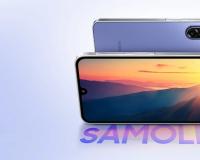
The Samsung Galaxy Z Fold 8 features a 5.5-inch outer display and a 7.6-inch inner screen. Apple’s iPhone Duo, by comparison, has a slightly smaller 5.4-inch outer display while retaining the same 7.6-inch inner screen.
Although the difference between the cover displays is marginal, it could affect everyday usability. The outer screen is designed for quick tasks such as messaging, phone calls, browsing and checking notifications without opening the device.
Samsung’s slightly larger cover display may make these activities more convenient for users who prefer to handle routine interactions without unfolding their phones.
Opening either device provides access to a substantially larger screen, offering more room for reading documents, watching films and running multiple applications simultaneously. Samsung has developed its foldable experience around Android and its multitasking capabilities, while Apple is adapting iOS 27 to the distinctive form factor of the iPhone Duo.
The devices also differ in their processing hardware. The Galaxy Z Fold 8 is powered by Qualcomm’s Snapdragon 8 Elite Gen 5 processor, while Apple has selected the A20 Pro chip for the iPhone Duo.
As premium foldable smartphones, their real-world performance will depend on the applications users run and how effectively those applications are optimised for folding displays.
Camera Capabilities and Battery Life
The Samsung Galaxy Z Fold 8 features a 50-megapixel main camera and a 50-megapixel ultra-wide camera. Apple’s iPhone Duo, meanwhile, comes with two 48-megapixel rear cameras, comprising a main sensor and an ultra-wide sensor.
Both camera systems are designed to handle everyday photography, including portraits, landscapes and group pictures. However, megapixel counts alone do not determine image quality. Image processing, low-light performance, colour accuracy and video recording capabilities will also influence the results.
The absence of a telephoto lens on the iPhone Duo could be a disadvantage for users who frequently photograph distant subjects. Buyers seeking greater photographic flexibility will need to examine actual image samples before deciding between the two devices.
Battery capacity is another area where the smartphones have similar specifications. The iPhone Duo is reported to feature a 4,883mAh battery, slightly larger than the approximately 4,800mAh battery in the Galaxy Z Fold 8.
These figures do not necessarily establish which device will last longer between charges. Screen brightness, software optimisation, network connectivity and multitasking requirements can all affect battery life.
Durability could also influence purchasing decisions. The iPhone Duo carries an IP68 rating for dust and water resistance, compared with the Galaxy Z Fold 8’s IP48 rating.
Neither certification makes a foldable smartphone impervious to damage. However, Apple’s higher-rated dust and water protection could appeal to buyers seeking additional reassurance when investing in a premium device.
iPhone Duo vs Galaxy Z Fold 8: Which Offers Better Value?
The choice between the two smartphones will depend largely on buyers’ priorities and their existing technology ecosystems. The iPhone Duo could appeal to users already invested in Apple’s ecosystem who want a larger folding display without moving away from iOS.
Its A20 Pro processor, foldable design and software experience adapted to the device’s form factor position it as an option for consumers interested in Apple’s latest offering.
However, the price difference remains an important consideration. The Samsung Galaxy Z Fold 8 starts at $1,899.99 for the 256GB variant, while the Apple iPhone Duo is priced from $1,999 for the same storage capacity. This puts the iPhone Duo $99.01 above Samsung’s starting price, excluding taxes and discounts.
Samsung brings years of experience in the foldable smartphone segment to the Galaxy Z Fold 8. The device builds on that experience with a lighter construction, a wider cover screen and an ecosystem designed around the foldable format.
Apple, in contrast, is entering a market where consumers will be assessing its application compatibility and multitasking capabilities over time.
Another factor is how frequently buyers expect to use the inner display. People who regularly work with lengthy documents, create content, travel or switch between multiple applications may find the larger folding screen particularly useful.
Those who primarily use social media, messaging services and conventional calling features, however, may find that a traditional flagship smartphone meets their needs at a lower cost.
Based on the stated specifications and starting prices, the Galaxy Z Fold 8 appears to offer the more economical entry point into the premium foldable category. The iPhone Duo, meanwhile, is aimed at buyers willing to pay more for integration with Apple’s ecosystem and its first foldable smartphone offering. Ultimately, display usability, camera performance, battery life, durability and software optimisation will be central to determining which device provides the better fit for individual users.
About The Author









Comment List