

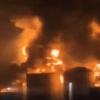
Meanwhile, Iranian state media confirmed two explosions in the Souza area of Qeshm Island, located in the strategically important Strait of Hormuz, a vital route for oil transportation.
The latest military action comes after Trump's Republican Party suffered a major electoral setback in the US midterm elections. Voter dissatisfaction over rising inflation and high fuel prices caused by the war is considered a major factor behind the defeat.
Following the electoral setback, Trump has continued to issue warnings about destroying Iran while also expressing hope that the conflict could be resolved soon.
Qatar Presents New Proposal for Peace Talks
Amid the military escalation, diplomatic efforts to reduce tensions have also gathered pace. Qatar, which has been acting as a mediator, has presented new proposals to Tehran aimed at resolving disagreements over Iran's nuclear programme. Officials from two countries in the region said Iran was reviewing the proposals.
However, according to the officials, Iran does not appear willing to begin direct nuclear negotiations with the Trump administration until Washington accepts key conditions linked to a ceasefire.
Meanwhile, the US Central Command announced late Friday on X that the United States would offer rewards of up to $20 million, along with relocation assistance, to individuals providing confidential information about Iran's nuclear programme, its facilities and its scientists.
Iran Sets Tough Conditions Before Negotiations
The White House declined to provide detailed comments on Qatar's proposals. However, Trump acknowledged that discussions with Iran were continuing through mediators. He also claimed that the US military had complete control over the conflict.
Tehran, on the other hand, has placed several conditions before Washington ahead of any return to the nuclear negotiating table.
Iran is demanding that the United States lift its blockade of Iranian ports, remove all economic sanctions, release frozen assets and provide compensation for damage caused by the war. It has also called for an end to military operations across the region, including Israeli operations in Lebanon.
Two-Day Bridge Deal Discussed to Revive Negotiations
According to regional officials, discussions are underway on a two-day bridge deal aimed at restoring confidence between the two sides before formal nuclear negotiations begin.
Under the draft proposal presented by Qatar, the United States would lift its blockade of Iranian ports during the first phase and release some of the billions of dollars in frozen Iranian assets.
In return, Iran would allow International Atomic Energy Agency inspectors to visit locations targeted in US and Israeli attacks.
According to the proposal, on the second day, Iran would temporarily reopen the Strait of Hormuz to shipping traffic under an understanding reached with Oman.
The arrangement would remain in place until a permanent agreement could be reached in coordination with Gulf countries. Following that, the two countries would begin detailed negotiations on Iran's stockpile of enriched uranium and broader nuclear issues.
Diplomatic Activity Intensifies Across the Middle East
Following the US election results, phone calls between Gulf countries and global leaders have increased as diplomatic efforts continue to prevent the conflict from escalating further.
US Defence Secretary Pete Hegseth spoke with Qatar's Defence Minister Sheikh Saud bin Abdulrahman Al Thani to review the situation. Earlier, President Trump also held direct talks with the Emir of Qatar on efforts to reduce tensions.
At the same time, Iranian Foreign Minister Abbas Araghchi held discussions with the foreign ministers of Iraq, Tunisia and Egypt.
Egyptian Foreign Minister Badr Abdelatty urged both sides to adopt a flexible approach, stressing that reaching an agreement was essential to prevent the region from being pushed towards destruction.
With military strikes continuing alongside negotiations through regional mediators, Qatar's proposed two-day arrangement has emerged as a potential pathway towards broader discussions on the nuclear dispute, the Strait of Hormuz and the conditions for ending the conflict.
About The Author







Comment List