

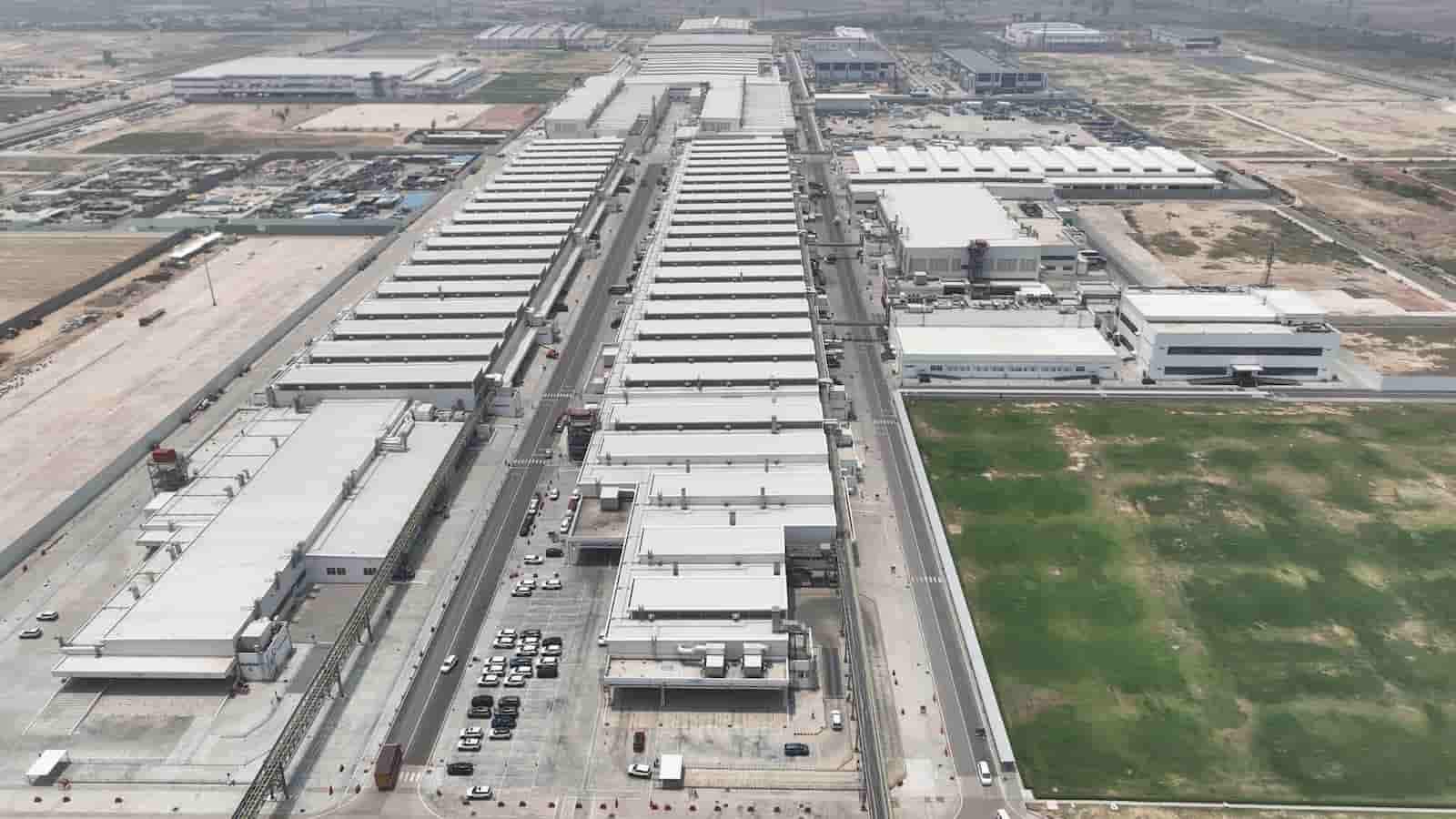
India and Japan have reaffirmed their strategic partnership with a series of landmark agreements covering economic security, artificial intelligence, defence, and healthcare, as Prime Minister Narendra Modi and Japanese Prime Minister Sanae Takaichi addressed the India-Japan Joint Economic Forum in New Delhi. The leaders also jointly inaugurated Maruti Suzuki's fourth vehicle manufacturing facility at Kharkhoda in Haryana, underscoring the expanding economic collaboration between the two nations.
Addressing the forum, Prime Minister Narendra Modi described India-Japan relations as truly special, highlighting numerous examples of the success of the bilateral economic partnership. He said that when Japan's expertise and investment combine with India's speed and scale, the entire world benefits. He added that both countries had decided to make their partnership more dynamic and comprehensive through new agreements that would make bilateral cooperation futuristic and limitless.
Prime Minister Modi said the global economy is currently facing supply chain disruptions, trade uncertainty, and declining global demand. Against this backdrop, he emphasized that India remains the world's fastest-growing major economy, recording a Gross Domestic Product growth rate of 7.7 percent in the last financial year.
He stated that over the past twelve years, the Government has transformed India's economic framework by adopting the principles of continuous improvement. According to the Prime Minister, India has recently implemented next-generation reforms in taxation, governance, and the ease of doing business. He said the Government has opened multiple sectors to private investment while introducing incentives in several key industries, creating significant opportunities for investors and businesses.
Prime Minister Modi further noted that these reforms have strengthened India's position as a preferred investment destination. He pointed out that, for the fourth consecutive year, surveys conducted by the Japan Bank for International Cooperation have identified India as the most promising destination for Japanese businesses.
Speaking at the forum, Japanese Prime Minister Sanae Takaichi emphasized that energy security remains one of the most critical pillars of cooperation between India and Japan. Referring to the recent Group of Seven Summit, she said she had presented three proposals aimed at strengthening global energy security. These proposals focused on ensuring free and transparent energy trade, establishing strategic energy stockpiles, and promoting stronger cooperation between energy-producing and energy-consuming nations.
Prime Minister Takaichi added that Japan is working to transform these proposals into practical measures through the Power Asia Initiative, reinforcing its commitment to strengthening regional and global energy security in partnership with like-minded countries.
On the occasion, Prime Minister Narendra Modi and Prime Minister Sanae Takaichi jointly inaugurated Maruti Suzuki's fourth vehicle manufacturing facility at Kharkhoda in Haryana, marking another milestone in the growing industrial and economic partnership between India and Japan.
The high-level forum and the agreements announced during the visit reflect the deepening strategic relationship between India and Japan, reinforcing cooperation across economic development, technology, industrial growth, energy security, healthcare, and defence while laying the foundation for stronger long-term bilateral collaboration.
About The Author

.jpg)








Comment List