
.jpg)
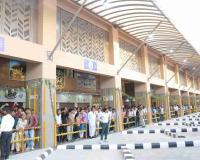
The 53-second video, recorded on a busy railway platform, captures Railway Protection Force personnel patrolling a queue outside an unreserved general compartment. Officers can be seen using batons to direct passengers back into line and prevent individuals from breaking away from the queue amid intense competition for limited seating. The scene reflects the frequent congestion and disorder commonly witnessed on heavily used rail routes connecting major cities such as Delhi, Howrah, and Mumbai.
The footage has drawn strong reactions from the public. Many viewers praised what they described as a rare display of discipline at crowded railway stations, arguing that strict enforcement is necessary to prevent disorder and curb the practice of passengers attempting to bypass waiting lines. Comments supporting the officers' actions reflected growing frustration among travelers who regularly face overcrowding and queue-jumping during peak travel periods.
First in my bloodline to witness people getting thought civic sense by getting be!t treatment🤩 pic.twitter.com/XxfyIPfpSJ
— tiraִֶָ𓂃 ࣪ ִֶָ🦢་༘࿐ (@thvspeaks) June 1, 2026
At the same time, critics condemned the use of batons, describing the practice as dehumanizing and raising concerns about the treatment of passengers. They argued that the underlying issue is not passenger behavior alone but the severe overcrowding that continues to affect one of the world's largest railway systems.
The debate has also renewed attention on the immense pressure faced by India's rail network, which serves approximately 23 million passengers every day. Critics contend that long-term solutions should focus on increasing train capacity, expanding services on high-demand routes, and strengthening public awareness about orderly travel behavior rather than relying on physical enforcement measures.
The incident has become a focal point in a broader discussion about public discipline, passenger rights, and infrastructure challenges. As the video continues to circulate, it underscores the difficulties of maintaining order in one of the busiest transportation systems in the world while balancing efficiency, safety, and passenger dignity.
About The Author








Comment List