

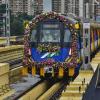
The envisioned route is set to pivot at Modipuram, where the Namo Bharat train currently concludes its run from Sarai Kale Khan station in Delhi. This new northward extension would chart a course broadly parallel to National Highway 58, weaving through a series of strategically vital hubs. The corridor is slated to originate at the Modipuram junction on the northern edge of Meerut, proceeding through the industrial and educational belt of Daurala-Sakauti. It would then serve as a critical linkage point at Khatauli near Muzaffarnagar before reaching Purkazi, situated precariously close to the Uttar Pradesh-Uttarakhand border. The line would continue to Roorkee, a prominent academic center housing IIT Roorkee, before hitting the tourism-linked station of Jwalapur in Haridwar, ultimately terminating in the yoga and adventure capital of Rishikesh.
The approval of this project would trigger a seismic shift in regional economics and urban development. Modipuram is positioned to become a principal junction between the Delhi and Haridwar routes, sparking intense commercial activity, while Muzaffarnagar is projected to emerge as a premier destination for warehousing and industrial townships. The academic influence of Roorkee would likely result in a significant surge in student housing and paying-guest accommodations. Most strikingly, the demand for service apartments and holiday homes in Haridwar and Rishikesh could skyrocket by as much as 200 per cent as the journey from Delhi shrinks to a mere two-and-a-half to three hours. This drastic reduction in travel time is expected to fundamentally alter tourism behavior, shifting preferences toward homestays and rental villas, with Delhi-NCR residents potentially favoring second homes in the Himalayan foothills over closer locales like Meerut or Muzaffarnagar.
However, this visionary economic corridor faces formidable administrative and environmental hurdles. The stretch spanning from Roorkee to Rishikesh must navigate the ecologically sensitive zones of Rajaji National Park, a factor that necessitates stringent environmental clearances and potentially protracted regulatory timelines. Furthermore, land acquisition along the NH-58 corridor remains a primary concern as property prices have hit record highs, a reality that will inevitably inflate the overall project cost. Additionally, the rugged hilly terrain surrounding Rishikesh will demand complex engineering solutions, including tunnelling or elevated tracks, adding layers of expense and technical difficulty. If a consensus is reached among the primary stakeholders, the proposal will be referred to the Central Government, the Uttar Pradesh Government, and the National Capital Region Transport Corporation (NCRTC) for the detailed consideration required to initiate the next phase of this transformative journey.
About The Author

.jpg)
.jpg)
.jpg)
.jpg)





Comment List