

In an official statement issued on April 8, the Ministry of External Affa
irs (MEA) said, “We welcome the ceasefire reached and hope that it…” “As we have continuously advocated earlier, de-escalation, dialogue and diplomacy are essential to bring an early end to the ongoing conflict," it said.
The government also underscored the broader global implications of the conflict, particularly disruptions to trade and energy supply chains. “The conflict has already caused immense suffering to people and disrupted global energy supply and trade networks." “We expect that unimpeded freedom of navigation and global flow of commerce would prevail through the Strait of Hormuz," the statement added.
Iran, the United States and Israel agreed to a two-week ceasefire, with Tehran expected to begin negotiations with Washington in Islamabad from Friday. The temporary halt in hostilities comes after weeks of escalating tensions that raised fears of a broader regional conflict and disruptions to global oil supply routes.
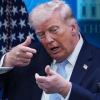
US President Donald Trump initially described Iran’s proposal as a “workable" 10-point plan, but later called the plan fraudulent without elaborating. Hours before the ceasefire announcement, Trump issued a stark warning, saying, “A whole civilisation will die tonight, never to be brought back again," if an agreement ensuring the reopening of the Strait of Hormuz was not reached. The Strait remains a critical maritime chokepoint through which around one-fifth of global oil and natural gas passes during peacetime, making its stability a key concern for major economies, including India.
Israeli Prime Minister Benjamin Netanyahu said Israel would support the temporary ceasefire with Iran but clarified that it does not include the ongoing conflict with Hezbollah in Lebanon. Israel’s military confirmed it “continues fighting and ground operations" against the Lebanese militant group, even as mediator Pakistan indicated that a broader cessation of hostilities could extend to Lebanon. Hezbollah has not issued a response so far.
A senior Israeli official also told the Associated Press that the United States is expected to push for the removal of Iran’s nuclear material and missile capabilities during upcoming negotiations, describing the objectives as shared strategic goals between Washington and Tel Aviv.
International reactions to the ceasefire reflected cautious optimism, with multiple governments and organisations highlighting the need to sustain diplomatic momentum. China said it would continue to play a “constructive role" toward peace and welcomed mediation efforts by Pakistan and other stakeholders.
Beijing and Islamabad had earlier proposed a five-point framework calling for cessation of hostilities, early peace talks, protection of civilian targets, maritime security in the Strait of Hormuz and adherence to the UN Charter.
European Union foreign policy chief Kaja Kallas described the ceasefire as “a step back from the brink," while German Chancellor Friedrich Merz emphasised that negotiations must ensure civilian protection and prevent a wider energy crisis.
Oman said it would support negotiations to achieve a permanent cessation of hostilities, with its foreign minister stating, “For now the world has stepped back from disaster," while cautioning against complacency.
New Zealand Prime Minister Christopher Luxon called the development “incredibly encouraging," as Malaysia, Indonesia and South Korea also welcomed diplomatic efforts aimed at restoring stability and ensuring safe passage through the Strait of Hormuz.
Earlier disruptions to maritime movement had triggered volatility in global energy markets, highlighting the strategic importance of the narrow waterway for global commerce.
Separately, the United Arab Emirates said it had suspended production at the Habshan gas complex after falling debris from an intercepted attack caused multiple fires, leaving two Emiratis and one Indian with minor injuries.
The ceasefire marks a fragile pause in a rapidly escalating conflict, with global stakeholders urging sustained diplomacy to prevent further destabilisation of the region and safeguard critical energy and trade routes.
About The Author

.jpg)
.jpg)
.jpg)
.jpg)





Comment List