

At the core of this system is the Montreal Convention, which provides a uniform international legal structure governing airline liability. Following updates implemented in 2024, compensation thresholds have been significantly revised, strengthening passenger entitlements. The revised limits include 151,880 Special Drawing Rights (SDRs) for death or injury, 6,303 SDRs for delays, and 1,519 SDRs for baggage loss. These provisions ensure that compensation is available under strict liability principles without requiring passengers to initiate prolonged legal disputes.
Regulatory authorities, including India’s Directorate General of Civil Aviation (DGCA) and the United Arab Emirates’ General Civil Aviation Authority (GCAA), maintain rigorous enforcement mechanisms to ensure compliance. Operators failing to maintain valid insurance certifications risk suspension of operational approvals and air operator permits. The United Kingdom Civil Aviation Authority (CAA) also reinforces similar obligations under domestic legislation aligned with international aviation law.
Major carriers such as Emirates, IndiGo, Air India, and Air India Express operate within these mandatory frameworks. Emirates is required under UAE regulations to maintain coverage of approximately 250,000 SDRs per passenger seat, while third-party liability exposure may extend on a sliding scale up to 700 million SDRs for large aircraft operations. These requirements reflect strict regulatory oversight within the UAE aviation system.
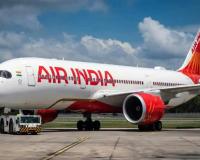
In India, IndiGo and Air India are bound by the Carriage by Air Act, which integrates the Montreal Convention into domestic law. The DGCA mandates that carriers maintain comprehensive insurance coverage, including provisions for war, terrorism, sabotage, and hijacking risks. Air India is additionally required to provide immediate advance compensation payments to victims in the event of aviation incidents, ensuring rapid financial relief. Air India Express operates under the same regulatory constraints for both domestic and international routes, particularly high-density corridors to the Middle East.
The insurance architecture extends beyond passenger liability to include baggage, cargo, and third-party risks. Coverage requirements typically include up to 1,288 SDRs per passenger for baggage and 22 SDRs per kilogram for cargo under international standards. Third-party liability exposure varies depending on aircraft size and operational scope, ensuring comprehensive financial safeguards in the event of ground or operational incidents.
Additional regulatory emphasis has been placed on maintaining active coverage for extreme risk scenarios, including war and terrorism. Aviation authorities require carriers to demonstrate continuous compliance with insurance obligations as a condition of operational authorization. This enforcement framework reflects the broader intent of ensuring uninterrupted financial protection for passengers regardless of geopolitical or operational disruptions.
The evolving regulatory environment, referenced in broader aviation discussions including aviation career resources, global travel updates, aircraft model kits, and airline ticket booking contexts, underscores the increasing complexity of modern air transport governance. Despite rising operational pressures and intermittent disruptions in global transit networks, mandatory insurance structures remain a central pillar of international aviation safety policy.
In conclusion, the global aviation insurance regime anchored by the Montreal Convention and enforced by national regulators represents a unified legal safeguard designed to protect passengers from financial loss. Through strict liability standards, enhanced compensation limits, and mandatory insurance enforcement, authorities continue to ensure that commercial aviation remains legally accountable and financially secure for travelers worldwide.
About The Author





.jpg)



Comment List