

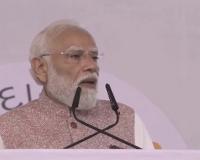
The Prime Minister’s platform was built upon a rigorous pledge to replace the prevailing atmosphere of fear with a foundation of public trust, promising immediate justice for victims of scams and rapes that have recently shadowed the state. In a direct challenge to the ruling establishment, Modi guaranteed the imprisonment of corrupt TMC leaders and the expulsion of illegal infiltrators while simultaneously providing critical aid to refugees. Addressing administrative stagnation, he further committed to protecting government workers through the full implementation of the pay commission. His rhetoric painted a stark picture of the current rule, criticizing the TMC for stalled factories, the migration of youth seeking opportunity elsewhere, and the pervasive influence of syndicates.
Contrasting West Bengal’s challenges with the broader trajectory of national progress, Modi utilized the industrial backdrop of Haldia to emphasize a vision of economic revival. While the TMC dismissed these claims and current polling data suggests they maintain a lead, the BJP is aggressively pushing a narrative centered on governance and the critical issue of infiltration. These rallies represent a pivotal moment in the campaign, signaling a determined effort to shift the political needle by focusing on institutional integrity and the physical and financial security of the electorate. The outcome of these assembly polls now hinges on whether these six guarantees can disrupt the existing political order and convince a skeptical public that a fundamental transition is necessary for the state’s future.
About The Author



.jpg)
.jpg)





Comment List