

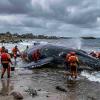
The rescue effort has evolved through several iterations as experts weighed the risks to the animal’s fragile health. An initial proposal to move the whale using a tarp and tugboat was discarded after specialists warned the method could cause further injury to the exhausted mammal. The current strategy, dubbed “Operation Cushion,” utilizes private capital to deploy inflatable air cushions designed to lift the whale off the seabed. Once elevated, pads are slid beneath the animal and secured to a tarp connected to a tugboat for transport into deeper waters. Environment Minister Till Backhaus has officially approved the plan to move Timmy toward the North Sea with the ultimate goal of guiding him back into the Atlantic Ocean.
Despite the mobilization of resources, the whale's physical state remains a grave concern. Minister Backhaus noted that while the animal is not active or agile, it continues to show signs of life. The humpback is believed to have entered the Baltic Sea in search of food, subsequently suffering multiple injuries and skin issues exacerbated by the region’s lower salt levels. This mission has not escaped scrutiny, as the environmental group Greenpeace has criticized the rescue attempt. The organization warns that the operation carries an exceptionally high risk and maintains that the probability of the whale’s survival remains extremely low.
The fate of Timmy now rests on the success of this sophisticated maritime maneuver and the resilience of a creature far from home. As "Operation Cushion" commences, the eyes of the international community are on the Baltic Sea to see if private wealth and engineering can reverse a dire biological tragedy. This intervention underscores the desperate measures being taken to preserve a single life against overwhelming odds, highlighting the complex intersection of private philanthropy and wildlife conservation in the face of an environmental crisis.
About The Author









Comment List