
.jpg)
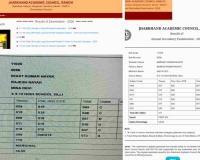
According to the specific fee table shared in the viral post, parents are mandated to pay a one-time admission cost of Rs 48,000, which is comprised of a non-refundable admission fee of Rs 15,000 and a refundable caution deposit of Rs 33,000. Beyond these initial costs, the annual school fee is set at Rs 2,24,718, a sum that covers tuition, library use, and gymkhana charges. The official document further clarifies that this substantial amount excludes additional necessary expenses such as school shoes and socks, transport, and cafeteria charges. It also specifies that all payments must be processed through formal channels including cheque, demand draft, card, or online transfer, while strictly noting that admission and tuition fees remain non-refundable and non-transferable.
As the post achieved viral status, numerous users weighed in on the escalating costs of education, particularly at the primary level. Some commenters pointed out that such pricing is not unusual within premium or international schools, where annual fees for nursery classes can frequently exceed Rs 3.5 lakh. These elite institutions often justify such steep costs by offering high-end facilities including air-conditioned classrooms, dedicated activity zones, swimming pools, skating rinks, and in-house meals, effectively creating a luxury-like environment on campus.
However, the disclosure prompted many to question whether these high fees actually translate into superior learning outcomes. Skeptics argued that the quality of teaching in such expensive private schools is often comparable to that found in government institutions, where education is either free or significantly more affordable. Other observers suggested that the trend is being propelled by parental demand, with many families opting for schools that carry "international" branding or elite-sounding names despite the financial strain.
The discourse also turned toward potential solutions, with some users suggesting that collective action by parents, such as refusing to enrol children in schools charging excessively high fees, could force these institutions to reconsider their pricing models. Conversely, others maintained that the reality of improved infrastructure, extracurricular exposure, and stringent safety standards inevitably adds to operational costs, suggesting the issue is far more complex than it initially appears. This viral revelation highlights a growing tension in the Indian education sector, where the line between essential learning and commercialized luxury continues to blur, leaving the middle class to navigate an increasingly unaffordable academic landscap
About The Author









Comment List