

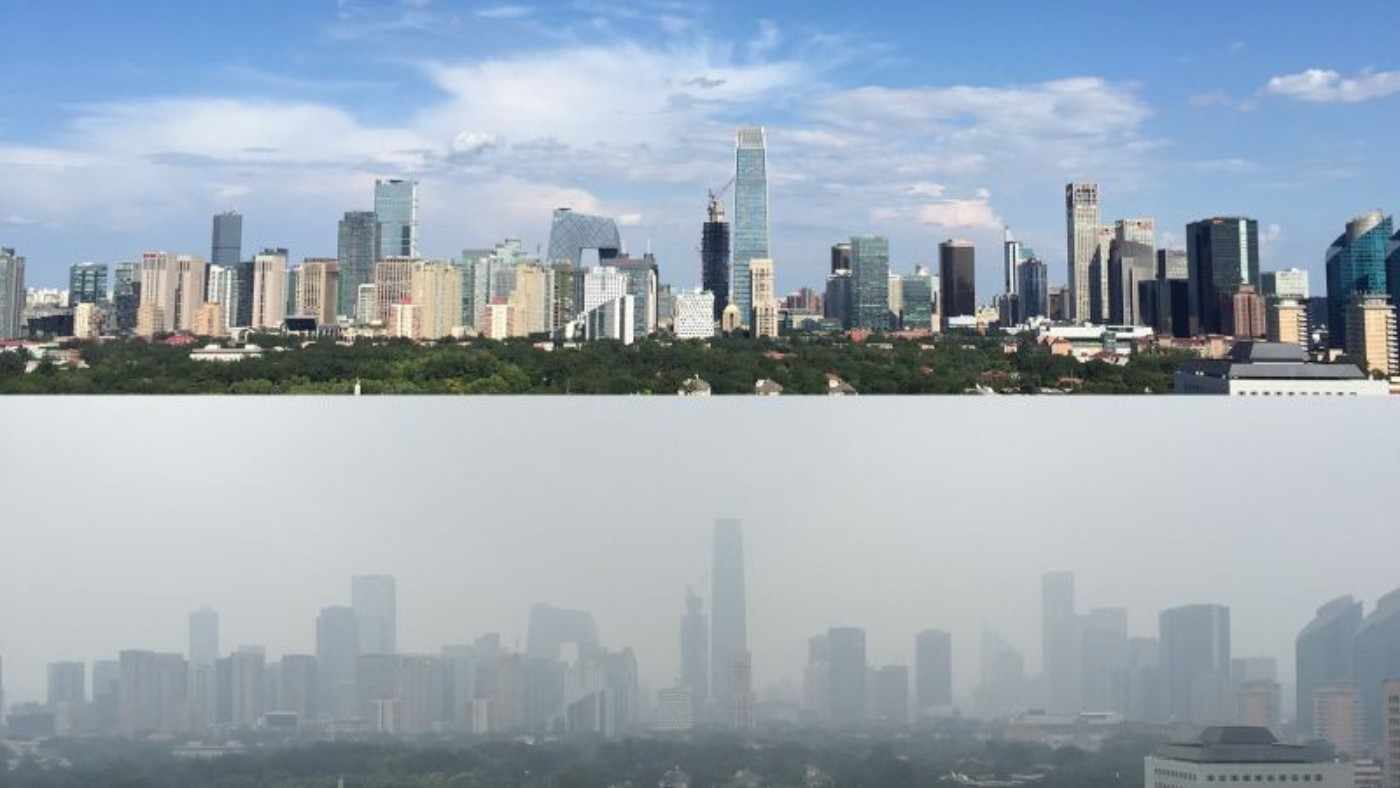
 As hazardous smog once again blankets India’s capital, turning winter mornings into health warnings, an unexpected voice has entered the debate on Delhi’s air crisis. China, which battled and dramatically reversed a similar pollution emergency in its own capital, has offered a public, step-by-step account of how Beijing clawed its way back from being labelled the world’s smoggiest city.
 With Delhi’s air quality remaining in the “severe” category for most of the week, the Chinese Embassy in India shared what it described as a practical roadmap drawn from Beijing’s experience. The move came amid rising concern over dense smog, sharply reduced visibility and an increase in respiratory illnesses across the national capital region, a pattern that repeats itself almost every winter.
In an extensive post on social media platform X, Chinese Embassy spokesperson Yu Jing highlighted the shared challenges faced by India and China as rapidly urbanising nations. Accompanying the post were before-and-after images of Beijing, visually underscoring the scale of transformation achieved in just over a decade. Once infamous as the “smog capital of the world,” Beijing today records significantly improved air quality, the result of sustained policy intervention rather than short-term fixes.
“Both China and India know the struggle with air pollution amid rapid urbanisation,” Jing wrote, adding that cleaner air is not an overnight achievement but a realistic goal with consistent effort. The post outlined a series of measures adopted by Chinese authorities, including strict controls on vehicle emissions, large-scale industrial restructuring, and a decisive shift away from heavily polluting sectors. While not framed as direct advice, the message was widely interpreted as an offer of assistance at a moment when Delhi’s pollution levels have reached alarming highs.
Delhi’s annual air crisis is driven by a complex mix of factors, including vehicular emissions, industrial pollution, construction dust, and seasonal agricultural stubble burning in neighbouring states. Despite emergency measures and long-term action plans announced by Indian authorities over the years, sustained improvement has remained elusive, particularly during winter months when weather conditions trap pollutants close to the ground.
The Chinese embassy’s intervention adds a new international dimension to the discussion, spotlighting how political will, regulatory enforcement and long-term planning can alter the trajectory of urban air quality. While the post stops short of policy prescriptions, its timing and detail have sparked fresh debate on whether lessons from Beijing’s turnaround could inform India’s fight against chronic air pollution.
As Delhi continues to grapple with toxic air and mounting public health concerns, the episode underscores a broader truth: urban pollution is not an inevitable cost of development. Beijing’s experience, now publicly shared, stands as a reminder that even the most severe air crises can be addressed with sustained and systemic action.
About The Author

.jpeg)
.jpg)






Comment List