

The scale and pace of these releases remain a subject of intense scrutiny. While rights advocacy group Foro Penal has confirmed the release of 72 political detainees, Acting President Delcy Rodríguez offered a significantly higher figure, stating that 406 individuals had been freed. This discrepancy underscores the lack of an official, transparent registry, leaving families and human rights organizations in a state of cautious optimization. Rodríguez clarified that the judicial review process specifically targets those accused of crimes against the constitutional order, hate speech, and intolerance, while explicitly excluding individuals convicted of violent felonies such as homicide or drug trafficking. For the opposition, these releases are seen as the long-overdue rectification of a system they claim has used the judiciary to stifle dissent for years.
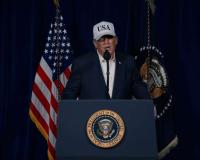
The geopolitical implications of the move are equally profound. The cohort of those liberated includes foreign nationals from the United States, Spain, and Peru, a development that has already drawn praise from the U.S. State Department. This diplomatic "gesture of peace" follows a period of unprecedented upheaval, including the U.S. capture of Nicolás Maduro and his subsequent arraignment in New York on narcoterrorism charges. The backdrop of these releases is further complicated by a significant energy agreement, with the U.S. moving to refine and sell 50 million barrels of Venezuelan crude oil previously frozen under sanctions. U.S. President Donald Trump noted that this humanitarian progress was instrumental in his decision to cancel a planned second wave of military or economic "attacks" on the administration.
Despite the celebratory scenes outside prisons, a palpable sense of anxiety persists for the families of those still behind bars. High-profile figures such as Juan Pablo Guanipa, lawyer Perkins Rocha, and NGO director Javier Tarazona remain in custody, keeping the pressure on the transitional government. Nobel Peace Prize winner María Corina Machado continues to lead the call for a total amnesty, highlighting that hundreds of political prisoners—by the count of human rights groups—remain in the system. The release of Carreño, who has faced a cycle of detention and release since 2020, illustrates the precarious nature of freedom in a country currently recalibrating its legal and political identity.
Ultimately, these releases represent more than just individual liberty; they are a barometer for Venezuela’s future stability. As the government attempts to pivot from a period of absolute confrontation toward a more normalized international standing, the treatment of political detainees remains the primary metric by which the world will judge its commitment to reform. Whether this "gesture of peace" will evolve into a comprehensive restoration of civil liberties remains to be seen, but for the dozens of families reunited this week, it marks the first tangible sign of a closing chapter in a long era of national division.
About The Author









Comment List