

This raises a common question: are large batteries installed somewhere inside every train coach to provide a continuous electricity supply, or do modern electric trains receive power directly from the grid? For an ordinary passenger, understanding the complete electricity supply system inside a train can be difficult.
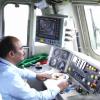
A loco pilot who operates large trains has explained the system in simple terms. According to him, electricity for lights, fans and mobile charging in trains comes through overhead wires, generator cars and batteries installed underneath the coaches. However, the system depends on the type of train. Diesel-engine trains, electric-engine trains and different types of coaches can have different electricity supply arrangements.
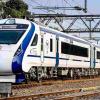
In electric trains, which now account for most trains, electricity is supplied through the overhead wire, or OHE, system connected to the locomotive. AC current from the power grid reaches railway substations. From there, electricity runs through high-tension wires installed above the railway tracks.
A metal device called a pantograph is installed on the roof of the locomotive. It touches the overhead electrical wires, draws current from them and transfers it to the locomotive. The locomotive has a hotel load system. In simple terms, modern trains use the locomotive to reduce the high-voltage electricity and send it to the coaches, allowing lights, air conditioning and charging points to operate.
In diesel-engine trains, electricity can be supplied through the EOG, or End On Generation, system even when the locomotive is shut down. On routes where overhead electrical wires are not available, trains operate with diesel engines. Such trains have special diesel generator cars, also known as power vans, at both ends. These generators supply electricity to the coaches for operating lights, fans and air conditioning.
Older or conventional coaches use an axle-and-battery system. An alternator connected to the rotating wheels converts mechanical energy into electricity. As the train continues moving, electricity is generated and stored in battery banks installed underneath the coaches.
When the train is stopped at a platform or the engine is switched off, these batteries keep the lights and fans running. These batteries are also used to start the train's engine.
The electricity supply inside a train, therefore, depends on its type of locomotive, coach and power-generation arrangement, with overhead wires, generator cars and under-coach batteries playing different roles in keeping passenger facilities operational throughout the journey.
About The Author








Comment List