

The upcoming diplomatic mission is expected to catalyze a massive decade-long defense roadmap, with the total value of strategic cooperation projected to reach the $10 billion mark. Although formal signatures on multi-billion dollar hardware contracts may not be the primary focus of this specific trip, the signing of a comprehensive Memorandum of Understanding (MoU) on security cooperation is anticipated to be the cornerstone of the visit. This agreement represents a qualitative leap in the relationship, as Tel Aviv has reportedly agreed to grant India access to its most guarded military technologies—innovations typically reserved for a select few global partners. Sources indicate that this includes high-energy laser defense systems, long-range stand-off missiles, and advanced anti-drone protocols, providing India with the "Iron Dome" level of protection adapted for its vast geography.
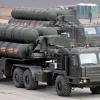
Central to this defensive evolution is "Mission Sudarshan," a flagship domestic initiative designed to create a indigenous anti-ballistic missile umbrella. India is now collaborating closely with Israeli defense giants to co-develop interceptors that mirror the capabilities of Israel’s world-renowned "Arrow" and "David’s Sling" systems. By integrating these with the existing S-400 batteries, India is creating a "system of systems" that can engage targets at various altitudes and distances simultaneously. Furthermore, the Indian Navy and Air Force are seeking to bolster their offensive-defense capabilities with the procurement of Spice-1000 glide bombs, Rampage air-to-surface missiles, and the Air LORA (Long Range Attack) ballistic missiles, ensuring that Indian forces can strike deep into enemy territory without entering the range of hostile air defenses.
The implications of this burgeoning partnership extend far beyond mere hardware acquisition. The synergy between Prime Minister Modi and Israeli Prime Minister Benjamin Netanyahu has fostered a shared strategic vision rooted in a common stance against cross-border terrorism and the need for technological self-reliance. Beyond the kinetic realm of missiles and radars, the bilateral talks will also delve into high-frontier sectors such as quantum computing, agriculture, and clean water technology. As the S-400 provides the broad outer shell of India's defense, the infusion of Israeli precision and laser-based interception ensures that the "last mile" of Indian airspace is equally secure. This convergence of Russian heavy lifting and Israeli surgical tech marks a significant milestone in India’s journey toward becoming a global military powerhouse with an unshakeable domestic defense posture.
About The Author






Comment List