

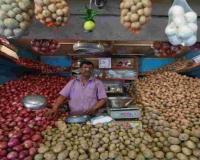
Market disclosures for the current period indicate that the onion trade is operating with high precision, with prices currently locked at 1,200 Rs per quintal. This valuation is mirrored by a consistent arrival volume, with recent records showing a supply of 15.15 metric tonnes moving through the districts. The data suggests a synchronized flow between wholesalers and retail outlets, ensuring that the minimum and maximum price points remain tightly aligned. This lack of disparity points toward a healthy inventory level and an efficient logistics network capable of meeting the state's daily demand without inflationary pressure.
Parallel to the onion market, the potato trade is demonstrating similar resilience, albeit with a slight premium in its upper valuation. While the base price remains grounded at 1,200 Rs per quintal, the market has seen transactions peaking at 1,300 Rs per quintal, reflecting a marginal but controlled variance in quality-based pricing. With an arrival volume of 16.65 metric tonnes recorded, the supply of potatoes remains robust, slightly outpacing onion imports. Administrative oversight of these arrivals ensures that while no Minimum Support Price (MSP) is officially pegged for these specific vegetable categories in the current record, the market-driven rates are currently favoring consumer affordability.
The implications of these steady figures extend beyond the wholesale yards; they serve as a vital indicator of Goa’s broader food security and economic health. By maintaining a ceiling on these essential commodities, the state avoids the ripple effects of food inflation that can often disrupt the hospitality and domestic sectors. As the 2026-27 trade year progresses, the administrative focus remains on monitoring these arrival patterns to ensure that the current balance is sustained, safeguarding the interests of both the commercial traders and the end-user in an increasingly dynamic market environment.
About The Author







Comment List