

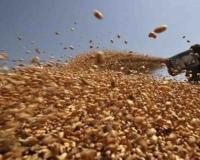
The most glaring disparity is visible in the coarse cereals sector. Bajra (Pearl Millet), which carries a federal MSP of 2,775.00 INR per quintal, is struggling to find its footing in the mandis, with prices languishing as low as 1,600.00 INR. This gap of over 1,100 INR highlights a persistent struggle for millet growers despite the national push for nutritional security. Similarly, Jowar (Sorghum) and Maize are facing downward pressure; Maize, despite seeing massive arrival volumes exceeding 22,945 metric tonnes in peak intervals, is trading at approximately 1,520 INR, far below its 2,400 INR benchmark. These figures suggest that high supply levels are hitting the market simultaneously, testing the limits of local procurement infrastructure and private trade appetite.
In contrast, the staples of the Central Indian "breadbasket"—Wheat and Paddy—show a more nuanced trend. Wheat prices are hovering remarkably close to the MSP of 2,425.00 INR, reflecting a more balanced supply-demand equilibrium and robust procurement mechanisms. Paddy (Common) actually presents a rare silver lining for the state's cultivators, with market prices frequently surging past the 4,000 INR mark, significantly outperforming the government’s floor price of 2,369.00 INR. This premium suggests a high demand for specific varieties or a regional shortfall that has benefited sellers in the open market.
The oilseeds and fiber sectors are also experiencing mixed fortunes. While Mustard remains relatively stable near its 5,950.00 INR MSP, Groundnut farmers are facing a tougher season, with market rates often failing to cross the 6,000 INR threshold against an MSP of 7,263.00 INR. Meanwhile, Cotton remains a high-value but volatile asset, trading slightly under its 7,710.00 INR support level. These fluctuations underscore the ongoing challenge for the Madhya Pradesh administrative and agricultural departments to ensure that price stability reaches the grassroots level, particularly for oilseeds and millets which are central to the state's crop diversification goals.
Ultimately, the current data from Madhya Pradesh’s mandis serves as a barometer for the broader Indian agrarian economy. While high-volume commodities like Wheat maintain a semblance of parity, the deep discounts seen in millets and oilseeds point toward a need for more aggressive procurement or better storage solutions to prevent distress sales. For the thousands of farmers bringing their year's toil to the market in metric tonnes, the bridge between the government’s promised price and the trader’s final bid remains the most critical factor in their economic survival.
About The Author







Comment List