

The latest figures highlight a particularly strong showing for industrial and oilseed crops. Groundnut, a staple of the state's oilseed sector, saw prices surge to ₹7,989 per quintal, comfortably outpacing its MSP of ₹7,263. Similarly, the fiber segment remains robust; Cotton prices were recorded at ₹7,800 per quintal, maintaining a steady lead over the government-stipulated ₹7,710. These margins provide a much-needed buffer for growers who have navigated shifting weather patterns and rising input costs throughout the sowing season.
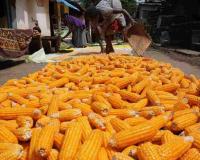
In the cereals category, the narrative is more nuanced. While common Paddy continues to find favor in the markets—trading at ₹2,527.37 per quintal against an MSP of ₹2,369—the coarse grain segment tells a different story. Maize, despite a significant arrival volume of 118.30 metric tonnes, is currently trading at ₹1,847 per quintal, falling short of its ₹2,400 support price. Jowar (Sorghum) presents a similar challenge for the state’s administrative machinery; even with minimal arrivals, the market price of ₹4,330 reflects the high demand for premium varieties, yet the standard MSP remains fixed at ₹3,699.
The pulse sector, specifically Arhar (Tur), remains a focal point for food security and farmer income. With substantial arrivals of 837.90 metric tonnes, the market price has stabilized at ₹7,979 per quintal, hovering just below the ambitious ₹8,000 MSP mark. This thin margin underscores the critical role of government procurement centers, which act as a vital backstop when private trade slightly retreats from official benchmarks.
As the state government and agricultural departments monitor these trends, the focus remains on ensuring that the benefits of the 2026-27 price revisions translate into tangible gains for the rural economy. The coming weeks will be crucial as arrival volumes for major crops are expected to peak, testing the resilience of market demand and the efficiency of the state’s procurement infrastructure. Ultimately, the stability of Karnataka’s agricultural sector hinges on bridging the gap between these official price floors and the dynamic pressures of the open mandi system.
About The Author







Comment List